

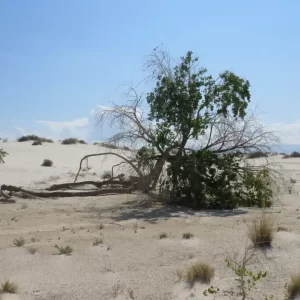
White Sands National Park reports that an iconic Rio Grande cottonwood tree that has delighted visitors and park rangers for decades has fallen. The tree, located on the Dune Life Nature Trail, always seemed slightly out of place in the white sand dunes of the park.
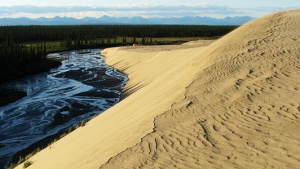
The warm summer months offer the opportunity to enjoy the plethora of national parks throughout the U.S., each offering diverse landscapes and histories that helped shape this great nation. Kobuk Valley National Park is home to a wide variety of nature and wildlife year-round, but it has an unlikely quality for a park in the Arctic.
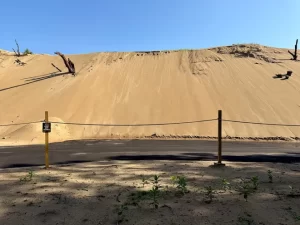
Mount Baldy Beach at Indiana Dunes National Park is open again after closing for several months, the National Park Service announced on Monday, June 15.
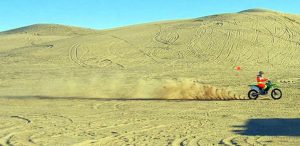
The Bureau of Land Management’s Safford Field Office will soon begin improvements to camping areas, roads, and other amenities at the Hot Well Dunes Recreation Area using funding from the Great American Outdoors Act.

MEARS, MI — On the breezy shores of Lake Michigan, Mac Wood’s Dune Rides carries visitors across a rolling landscape of towering sand, where the view is striking and the wind never seems to stop moving.
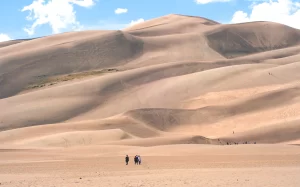
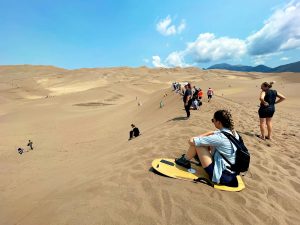
This scenic drive from Denver leads to one of Colorado’s most surprising national parks—where sandboarding, stargazing, and mystery await.
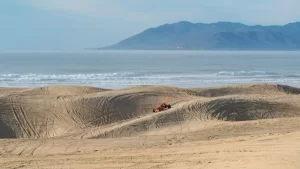
The area of the park south of Arroyo Grande Creek will be closed to camping and vehicle use due to a court ruling on April 9, 2026, prohibiting motor vehicle use, according to a notice issued by the park.