
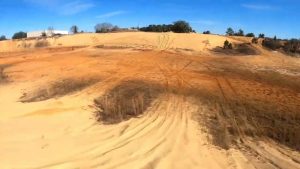
This small dune area inside the city of Albany Georgia, is available for public use.
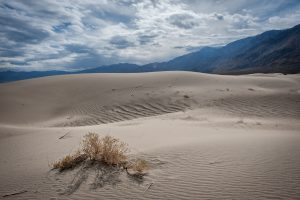
Gently rippling up from the edge of salt flats, these low dunes cover a large area, yet go unnoticed by most visitors to this remote valley. The Inyo Mountains tower nearly 10,000 feet above. The long, rough drive into Saline Valley limits casual visits, so come prepared. Winter snows and flash floods can temporarily limit…
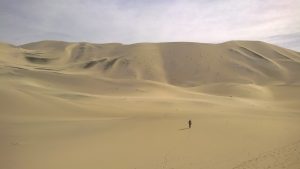
A pale mountain of sand appears to hover over the flat valley floor. Rugged cliffs loom high above, boldly striped with pink, gray, and black. The distant yipping of a coyote is interrupted by a mysterious rumbling sound emitting from the dune itself. Welcome to Eureka Dunes, one of the newest additions to Death Valley…
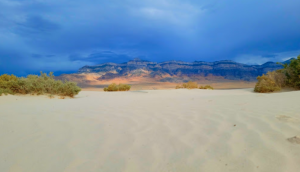
This is a short strip of white sand dunes just off the highway in west central Utah. From here you can enjoy views of the House Range Mountains in Millard County. Look for the dramatic cliffs like Notch Peak and Swasey Peak. For those familiar with the area this is about 10 miles from Hermits…
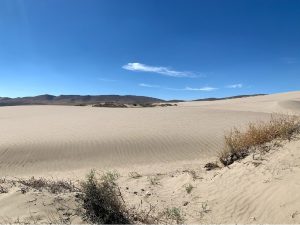
The Winnemucca Sand Dunes, Nevada’s largest continuous dune field, are located roughly 8 miles north of the town of Winnemucca, in Southern Humboldt County. From the staging area on the East side, the dunes stretch over a 40 square mile area, for about 14 miles Westward. Additional dunes are interspersed among low sage hills over…
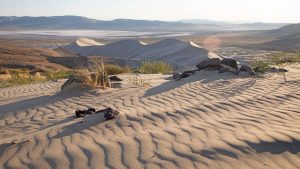
Sand Mountain is a singing sand dune 20 miles (32 km) east of Fallon, Nevada along U.S. Route 50. The dune is two miles long and 600 feet (180 m) high. The sand originates from the ancient Lake Lahontan, that for the most part dried up 9,000 years ago. Sand Mountain is also the only…
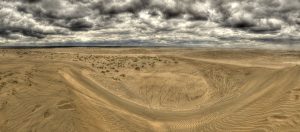
The Christmas Valley Sand Dunes are the largest inland shifting sand dune system in the Pacific Northwest and a popular destination of off-highway vehicle enthusiasts. The dunes are composed largely of ash and pumice that blew into the area 7,000 years ago when Mt. Mazama erupted forming Crater Lake. Over 8,000 acres of dunes remain…
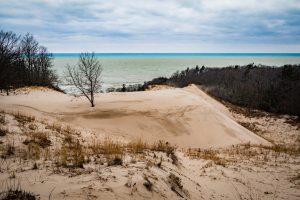
P.J. Hoffmaster State Park, located in Muskegon, is situated on 3 miles of stunning Lake Michigan shoreline and features a modern campground, towering dunes, 10 miles of scenic trails and the Gillette Sand Dune Visitor Center. One of the park’s main attractions is the dune climb along the Dune Overlook Trail, an approximately half-mile roundtrip…
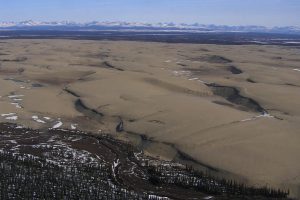
One of Kobuk Valley National Park’s most iconic sights is the Great Kobuk Sand Dunes rising unexpectedly out of the tundra and trees. These dunes – the largest active sand dunes in the Arctic – along with the smaller Little Kobuk Sand Dunes and Hunt River Sand Dunes create 30 square miles of towering sand…
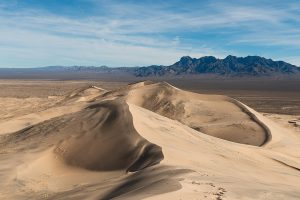
Kelso Dunes, also known as the Kelso Dune Field, is the largest field of aeolian sand deposits in the Mojave Desert. The region is protected by the Mojave National Preserve. The tallest dunes rise up to 650 feet (200 m) above the surrounding terrain. Kelso Dunes are closed to any vehicles, but are completely open to…